foxhole-coffee.polsia.app/field-manual/pour-over — Printed
V60 or Chemex. Bloom, pulse pour, dial it in.
Pour over is the most direct path between the bean and the cup. No moving parts — just you, hot water, and a filter. The V60 and Chemex both work; the method is the same. Get this right and you’ll understand what your coffee actually tastes like. No paper filters were harmed in the making of this guide.
Medium-fine · like table salt
1:16 (22g coffee : 352g water)
92°C / 198°F
3:00–3:30 total
Rinse paper filter with hot water, discard rinse water — removes paper taste
Grind 22g medium-fine (like table salt). Use a burr grinder if you have one
Add coffee to filter, tap to level the bed, place on scale, zero it out
Start timer. Bloom pour: 44g water (2× coffee weight) in 10 seconds — pour in a tight spiral to saturate all grounds
Swirl the dripper gently to ensure full saturation. Wait 45 seconds. Bloom is done when bubbling slows
At 0:45 — pulse pour in slow circles to 180g total. Avoid pouring on the filter walls
At 1:30 — pour remaining water to 352g total in a steady, controlled stream
Let drawdown complete. Should be fully drained by 3:30. If earlier or later, adjust grind
Remove dripper, swirl the carafe once to integrate. Serve immediately
| Problem | Fix |
|---|---|
| Sour / Under-extracted | Grind finer OR raise water temp by 2°C OR slow down pour rate |
| Bitter / Over-extracted | Grind coarser OR drop water temp by 2°C OR pour faster |
| Weak / Thin | Grind finer OR add 2g more coffee |
| Stalling — drawdown >4 min | Grind coarser. Reduce stirring during bloom |
| Flat taste | Coffee may be stale. Check the roast date — use within 30 days |
Q: V60 or Chemex — which is better?
Both work with this method. V60 produces a slightly brighter, more syrupy cup. Chemex filters are thicker, so the result is cleaner and lighter-bodied. Start with whichever you own.
Q: Why do we bloom the coffee?
Fresh coffee holds CO₂ from roasting. Blooming lets that gas escape before the full pour — otherwise it creates uneven extraction and can make the cup taste hollow.
Q: What's the best grind for pour over?
Medium-fine — like table salt. Err coarser if unsure. You can always go finer. Going too fine produces sour-then-bitter extraction that’s hard to dial back.
Q: My drawdown stalled. What do I do?
Grind coarser. Stalling = too-fine grind clogging the filter bed. Other causes: too much agitation during bloom, wet filter walls.
Q: Do I need a gooseneck kettle?
Not strictly. Any kettle works for the actual brewing, but a gooseneck gives you pour control that matters a lot for a method this manual. If you don’t have one, pour slowly from the edge of the spout.
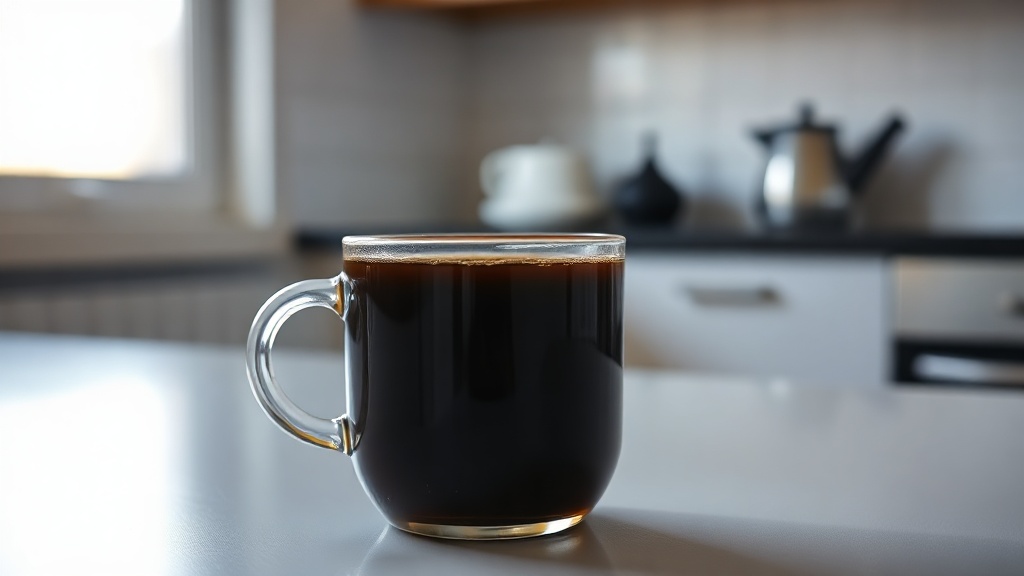
All six methods. Every ratio, every setting. Foxhole tactical styling. Printable PDF — delivered to your inbox right now.
No spam. Unsubscribe anytime.
Roast Queue · Brew Tips · Field Reports
Every Wednesday at 0600. One-click unsubscribe.